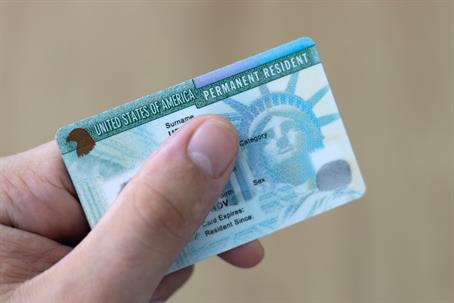
Getting a green card is one of the most significant steps in an immigrant's life. It grants you permanent legal residence in the United States, the right to work for any employer, and a clear path to citizenship.
The process looks different depending on how you qualify. This guide walks through the most common green card routes, what to expect at each stage, and how long the process typically takes.
First, Identify Your Green Card Category
The U.S. grants green cards through several channels. The most common are family-based petitions, employment-based petitions, and special categories like asylum or the Diversity Visa Lottery.
Family-based green cards are the most common path for people in the Houston area. If you are an immediate relative of a U.S. citizen (spouse, parent, or unmarried child under 21), there is no annual cap on visas and processing is generally faster.
Employment-based green cards are divided into five preference categories, from EB-1 for extraordinary ability workers down to EB-5 for investors. Most categories require an employer sponsor, but not all. EB-1A (extraordinary ability) and NIW (National Interest Waiver) are two categories that allow self-petition, meaning no employer sponsor is required. Each has its own evidentiary requirements. The Modi Law Firm has won cases on both grounds.
Step 1: File a Petition
For family-based cases, a U.S. citizen or permanent resident sponsor files Form I-130 (Petition for Alien Relative) with USCIS. For employment cases, most employers start with a PERM labor certification through the Department of Labor before filing Form I-140.
This petition establishes your eligibility category. USCIS will review it and issue an approval notice, which moves your case forward.
Step 2: Wait for a Visa Number (If Required)
Immediate relatives of U.S. citizens skip this step entirely since visas are always available. Everyone else must wait for a visa number to become current based on their country of birth and preference category.
The State Department publishes the Visa Bulletin each month showing which priority dates are current. For applicants from high-demand countries like Mexico, India, China, and the Philippines, waits can stretch for years or even decades in some categories.
Step 3: Apply for Adjustment of Status or Consular Processing
If you are already in the United States legally, you can file Form I-485 (Application to Register Permanent Residence) with USCIS. This is called adjustment of status, and it lets you complete the entire process without leaving the country.
If you are outside the U.S., your case will go through a U.S. consulate in your home country. This is called consular processing. You will attend an immigrant visa interview and, if approved, enter the U.S. as a permanent resident.
Step 4: Attend Your Biometrics Appointment and Interview
USCIS will schedule a biometrics appointment to collect your fingerprints, photograph, and signature. Most applicants will also attend an in-person interview, either at a USCIS field office or a U.S. consulate abroad.
In Houston, adjustment of status interviews typically take place at the USCIS Houston Field Office on Greens Road. Being well-prepared with organized documentation significantly improves the experience.
How Long Does a Green Card Take?
Processing times vary widely. Immediate relative petitions can move through the system in 12 to 24 months for applicants inside the U.S. Employment-based cases for workers from countries with high demand can take considerably longer once visa backlogs are factored in.
Checking the USCIS processing times tool regularly and keeping your contact information updated helps avoid unnecessary delays.
Common Reasons Green Card Applications Get Delayed or Denied
Missing documents are the most common source of delay. USCIS will issue a Request for Evidence (RFE) if your application is incomplete, which adds months to processing.
Prior immigration violations, criminal history, or grounds of inadmissibility can complicate or block approval. An immigration attorney can identify potential issues before you file and help you address them proactively.
Ready to move forward?
The green card process involves strict deadlines, detailed documentation requirements, and decisions that directly affect your future in the United States. The Modi Law Firm, PLLC has guided clients from all over the world through every stage of this process. Call (832) 514-4030 or contact us online to speak with a Houston green card lawyer today.